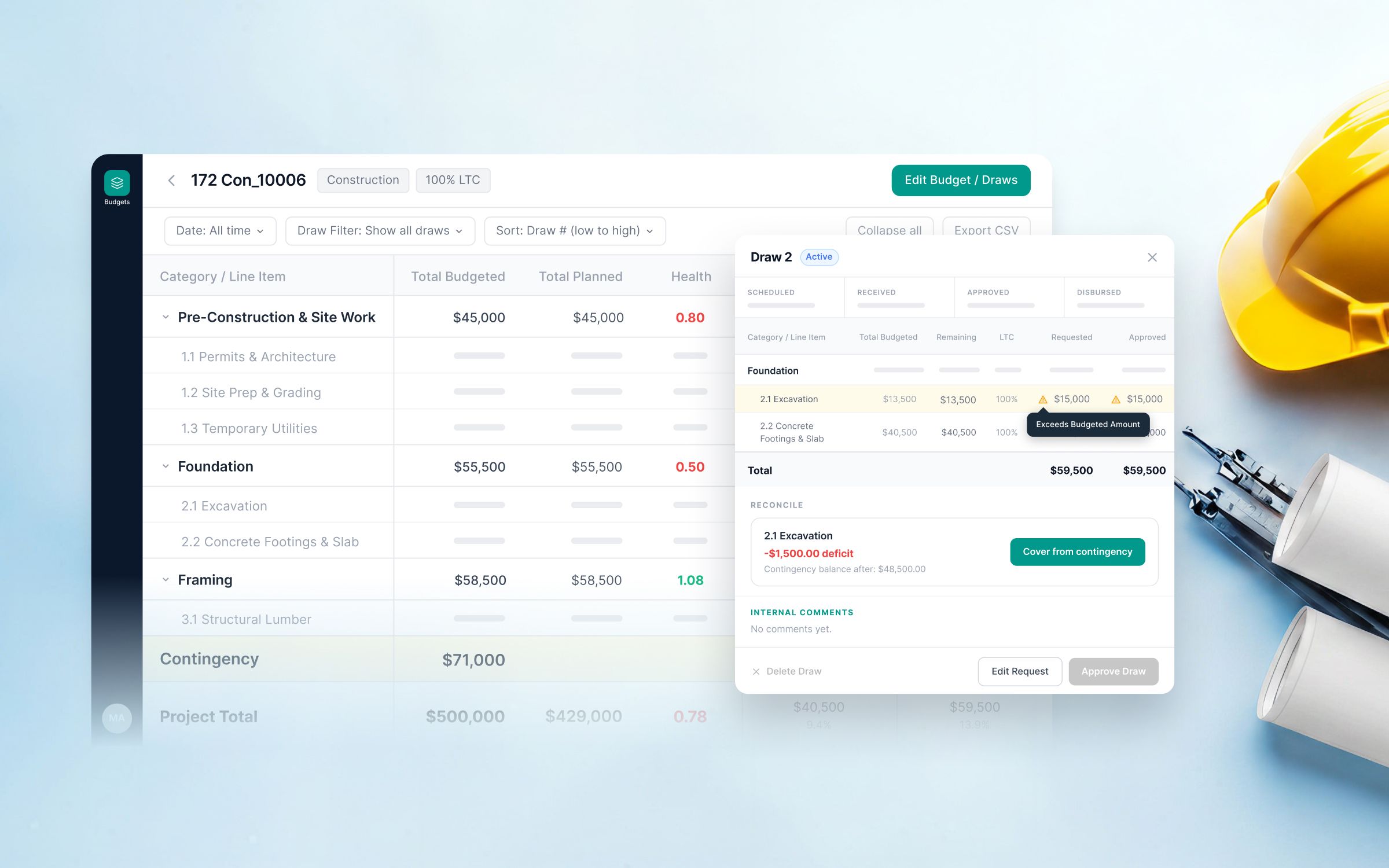
A better mortgage origination process gives every file a smoother path from application to funding. Borrowers know what to submit, staff know what needs review, documents stay tied to the loan, and managers can see where files are moving or stalled.
For many lenders, the biggest improvements come from fixing the operational gaps around the decision: intake, document collection, task routing, approvals, communication, reporting, and servicing handoff.
Here are eight mortgage loan origination best practices that show where lenders can reduce manual work, improve accuracy, speed up processing, and give borrowers a more organized digital experience.
1. Start with Digital Loan Origination
Going paperless used to mean removing printed forms, faxed documents, and physical signatures from the process. That still matters, but digital mortgage origination now goes further.
A stronger digital origination process gives lenders a structured way to collect, review, store, and track information from the start of the file. Key elements include:
- Digital loan applications that collect borrower and deal information in a consistent format.
- Secure document uploads so borrowers, brokers, and internal teams can submit files without relying on long email threads.
- Electronic signatures to reduce delays around approvals, disclosures, term sheets, and other required documents.
- Automated document collection so missing items can be requested and tracked without manual reminders.
- Centralized document storage that keeps loan files, borrower records, conditions, and approvals tied to the right deal.
- Real-time document status tracking so the team can see what has been received, what is missing, and what needs review.
Digital origination improves the borrower experience by giving applicants a direct way to submit information and respond to requests. It also improves internal efficiency because the team spends less time searching through inboxes, re-entering data, or confirming whether a document has been received.
For lenders managing private, commercial, bridge, or construction loans, digital origination also makes it easier to handle variation across files. Different loan types may need different documents, approval paths, and conditions. A digital workflow gives the team a stronger starting point than email-based intake.

2. Automate the Mortgage Origination Process
Mortgage origination process automation should handle the repetitive work that slows files down before a lending decision can move forward.
Automation can support:
- Automatic loan intake from broker software integrations, online forms, or internal submissions.
- Workflow routing so files move to the right team member or department.
- Document generation for term sheets, commitments, instructions, disclosures, and closing documents.
- Approval workflows that keep review steps and decision points tied to the file.
- Payment scheduling when a loan structure requires future payment setup or servicing preparation.
- Compliance reminders so that required steps are not left until the end of the process.
- Task assignments for processors, underwriters, administrators, and managers.
- CRM and system integrations to reduce duplicate entry across tools.
- Reporting automation for pipeline status, file progress, and operational performance.
The value comes from consistency. A team should not need to rebuild the workflow every time a new file enters the pipeline. Automation gives each loan a defined path while still allowing exceptions when the deal requires review.
For example, when an application comes in through a broker integration, the system can create the loan record, populate available data, assign follow-up tasks, request missing documents, and route the file to the next reviewer. When loan terms are approved, document automation can help generate the required package using information already captured in the system.
This reduces manual work and helps staff focus on decisions, exceptions, and borrower needs instead of repetitive admin.
3. Standardize Your Origination Workflow
A growing lending team needs a workflow that everyone understands. If each loan officer, processor, or underwriter manages files differently, the pipeline becomes harder to read and harder to improve.
Standardizing the workflow helps lenders create repeatable steps for:
- Application intake
- Document collection
- Initial review
- Underwriting
- Conditions
- Approvals
- Document preparation
- Closing
- Funding
- Servicing handoff
Standard workflows help reduce bottlenecks because staff know who owns each stage and what must happen before the file moves forward. They also make collaboration easier. A manager can open the pipeline and see which files are waiting on documents, which are in review, which are approved, and which are close to funding.
Standardization also helps new employees ramp up faster. Instead of learning the process through scattered instructions or individual habits, they can follow the same workflow the rest of the team uses.

4. Improve the Borrower Experience
The borrower experience starts before approval. It begins the moment a borrower, broker, or referral partner needs to submit information, upload documents, check status, or respond to a request.
A strong digital borrower journey can include:
- Self-service borrower portals for loan information and requests.
- Application progress tracking so borrowers know what stage the file is in.
- Secure messaging tied to the loan record.
- Automated notifications for missing documents, next steps, and updates.
- Online document submission instead of email attachments.
- Faster response times because the team can see file status and borrower activity in one place.
A borrower portal helps reduce routine status questions. Borrowers can see what has been requested, what they have submitted, and what still needs attention. That gives the borrower more control and reduces the amount of manual follow-up required from the team.
For lenders, the benefit is operational as well as experiential. Better borrower communication keeps the file moving. A missing document, unsigned form, or unanswered question can delay approval and funding. When borrowers have a more direct way to act, the team spends less time chasing updates.
5. Reduce Turnaround Times
Mortgage origination is time-sensitive. Delays can affect borrower confidence, broker relationships, investor expectations, and funding timelines.
Turnaround time often slows down when:
- Applications arrive incomplete.
- Documents are scattered across emails.
- Review tasks are unclear.
- Approval steps depend on manual reminders.
- Data has to be entered more than once.
- Loan documents are prepared by hand.
Loan workflow software helps reduce these delays by connecting intake, documents, tasks, approvals, and reporting in one operating flow.
Speed comes from removing avoidable waiting time. If a document is missing, the request should be triggered quickly. If a file is ready for review, the right person should know. If a condition is satisfied, the loan should move forward without someone manually checking the status.
6. Improve Data Accuracy
Accurate data keeps the mortgage origination process moving. Borrower details, loan terms, property information, fees, conditions, approvals, and closing dates all need to stay consistent from intake through funding.
Manual entry makes that harder because the same information often gets copied across emails, spreadsheets, documents, and systems. Mortgage automation software reduces duplicate entry and helps keep loan information tied to the file.
With mortgage document automation, teams can generate documents from system data instead of rebuilding them by hand. That improves consistency and makes the servicing handoff easier after funding.
7. Use Data and Reporting to Improve Origination Performance
Lenders cannot improve what they cannot see. Reporting gives teams the operational visibility needed to understand where the mortgage origination process is working and where files are slowing down.
Useful reporting can show:
- Loan pipeline volume
- Files by stage
- Average processing time
- Team workload
- Approval timelines
- Document collection delays
- Funding timelines
- Loan volume by source
- Bottlenecks by workflow stage
- Conversion from intake to funding
asking each team member for updates. Processing time metrics show whether delays are happening during intake, underwriting, approvals, document preparation, or closing.
Team productivity reporting can also help identify whether staff are overloaded or whether certain steps need better routing. If one stage repeatedly slows down, the team can adjust the workflow, improve document requests, add automation, or clarify ownership.
8. Connect Origination With Servicing
Origination does not exist in isolation. The way a loan is set up before funding affects servicing after funding.
If loan data, documents, payment details, borrower records, and approvals are manually moved into a servicing process, the team loses time and increases the risk of errors. A weak handoff can create problems later around payment schedules, statements, renewals, reporting, and borrower communication.
A connected lending platform helps reduce that risk by keeping loan records organized across the lifecycle. The team can move from application and approval into servicing with less re-entry and fewer disconnected records.
How Mortgage Automator Simplifies Mortgage Originations
Mortgage Automator helps lenders manage mortgage originations through connected workflows, automation, document tools, borrower portals, and reporting.
The platform supports:
- Automated loan intake through integrations and structured workflows.
- Broker software integrations that help bring deal information into the system with less manual entry.
- Borrower portal access for uploads, requests, conditions, and borrower communication.
- Document automation for origination packages, instructions, compliance documents, and related paperwork.
- Workflow management for tasks, approvals, file status, and team ownership.
- Loan servicing integration so funded loans can move more easily into post-closing management.
- Reporting dashboards for pipeline visibility and operational performance.
- Centralized loan records that keep borrower details, documents, approvals, and communication tied to the file.
For lenders evaluating mortgage lending software, the biggest advantage is having origination, servicing, fund management, automation, and reporting work together in one platform.
Frequently Asked Questions
What is the mortgage origination process?
The mortgage origination process is the workflow lenders use to receive, review, approve, document, close, and fund a loan. It usually includes application intake, document collection, underwriting, conditions, approval, closing preparation, and funding.
What does mortgage origination software do?
Mortgage origination software helps lenders manage the work that happens before a loan is funded. It can support digital applications, document collection, workflow routing, approvals, borrower communication, document generation, reporting, and integrations.
How can lenders automate mortgage originations?
Lenders can automate mortgage originations by using software to manage intake, task routing, document requests, approvals, document generation, reminders, compliance steps, and reporting. Automation helps reduce manual follow-up and gives teams more consistent control over files in progress.
Why is workflow automation important in mortgage lending?
Workflow automation helps mortgage teams move files through defined stages with fewer manual reminders and fewer missed steps. It can improve turnaround times, staff coordination, document collection, compliance tracking, and pipeline visibility.
How do borrower portals improve the origination process?
Borrower portals give borrowers a structured way to submit documents, respond to requests, check progress, and communicate with the lending team. This reduces email-based follow-up and helps files move forward with fewer delays.