For non-bank lenders, compliance risk often starts before anyone prepares a report. It starts when HMDA (Home Mortgage Disclosure Act) fields are entered inconsistently, pricing exceptions are reviewed too late, documents sit outside the loan file, or fair lending questions depend on data pulled from several systems.
That is harder to defend in 2026, especially after Fannie Mae identified business process streamlining, cost-cutting, and consumer-facing technology as lenders’ top business priorities for 2025. Manual compliance work cuts against all three. It adds review time, creates avoidable rework, and makes reporting accuracy harder to prove.
Mortgage compliance automation gives lenders a way to control the quality of compliance data while the file is still moving, instead of discovering problems during report prep, audit response, or fair lending review.
Why Compliance Management Is Becoming More Complex for Non-Bank Lenders
Compliance work has become harder for non-bank lenders because more of the process depends on data quality, documentation, and timing. HMDA reporting, fair lending reviews, audit preparation, and internal controls all rely on loan data that needs to be complete, consistent, and easy to verify.
Compliance requirements now touch more parts of the lending process, from origination and underwriting to borrower communication, document collection, approvals, and reporting. If those records sit across different spreadsheets, inboxes, and disconnected systems, compliance teams spend too much time checking whether the data is complete before they can assess the actual risk.
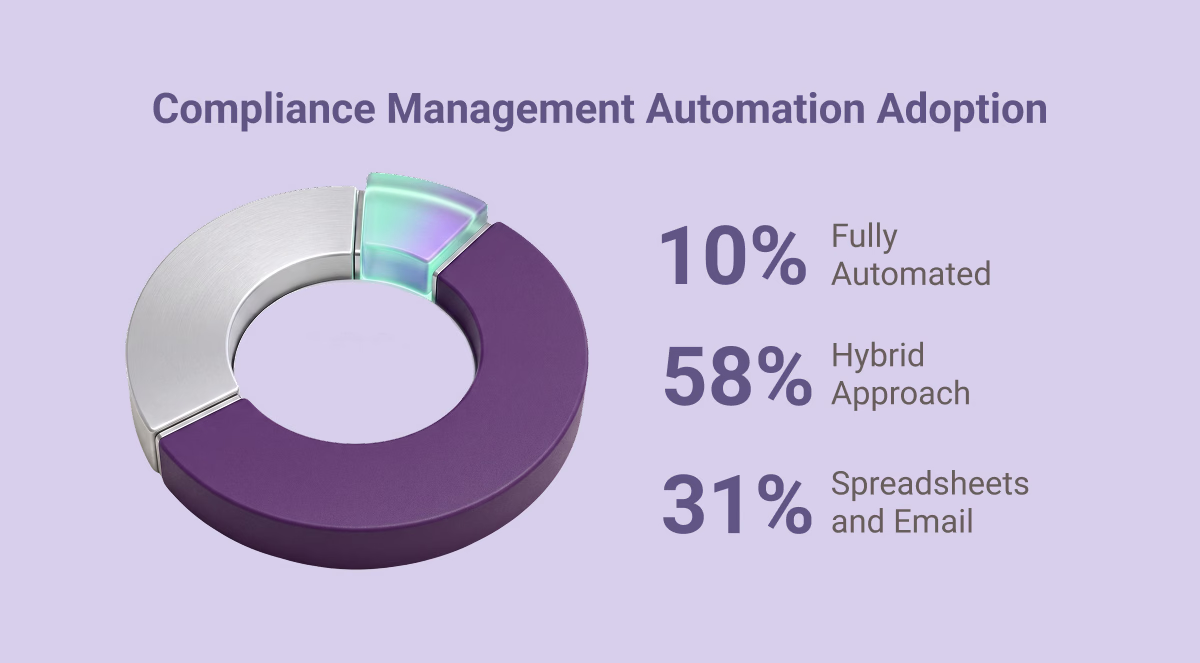
That operating model is still common. One industry survey found that only 10% of financial institutions use a fully automated compliance management system, while 58% use a hybrid approach and 31% still rely mainly on spreadsheets and email.
Manual processes also increase the chance of missed fields, inconsistent entries, outdated reports, and unclear audit trails. Those issues may not be obvious during day-to-day lending activity, but they become harder to defend during HMDA reviews, fair lending analysis, regulatory examinations, or internal audits.
For non-bank lenders, mortgage compliance automation helps reduce that pressure by keeping compliance activity closer to the loan record. Data validation, workflow routing, reporting checks, and audit history can be handled more consistently, rather than relying on manual updates across separate files.
Understanding HMDA, Fair Lending, and Regulatory Reporting Requirements
HMDA reporting requires covered lenders to collect and submit specific data about mortgage applications, originations, purchases, and certain loan outcomes. For non-bank lenders, that makes data quality a compliance issue from the start of the loan process, not just at filing time.
Fair lending oversight focuses on whether borrowers are being treated consistently across protected characteristics and lending scenarios. That review often depends on the same operational data used in applications, underwriting, pricing, approvals, denials, and disclosures.
Regulatory reporting also needs a clear record behind the numbers. If a lender is examined or audited, teams may need to show how data was collected, reviewed, corrected, and submitted. Accurate reporting depends on complete loan data, consistent processes, and records that can be reviewed without manually rebuilding the file history.
Common Compliance Challenges Facing Non-Bank Lenders
For non-bank lenders, compliance issues often come from the way loan data moves through the business. Institutions relying on spreadsheets and email reported seven times more examiner questions and concerns than automated peers, which shows how quickly manual processes can turn into review burden.
- Data inconsistencies: HMDA fields, borrower details, pricing data, decision notes, and documentation can fall out of sync when teams update records across multiple systems.
- Manual reporting processes: Reports take longer to prepare when teams have to pull data from spreadsheets, loan files, email threads, and separate systems.
- Multiple system dependencies: Origination, servicing, document management, and reporting tools may not always share data cleanly, leading to additional review work.
- Limited audit visibility: Without a clear activity history, it becomes harder to show when data was collected, changed, reviewed, or approved.
- Difficulty spotting issues early: Potential compliance concerns can go unnoticed when teams review data only at set reporting points.
- Resource constraints: Smaller compliance teams often have to manage reviews, reporting, exceptions, and audit preparation with limited time and capacity.
How Mortgage Compliance Automation Improves Reporting and Risk Management
Mortgage compliance automation helps non-bank lenders reduce the manual work behind reporting, reviews, and audit preparation. Instead of checking compliance data after the fact, teams can build controls into the lending workflow through automation.
Key benefits of automation include:
- Centralized data management: One industry survey found that 36% of institutions see data quality as the top barrier to AI adoption. For compliance teams, the same problem shows up in HMDA reporting, fair lending reviews, and audit preparation: automation only works well when the underlying loan data is complete, consistent, and connected.
- Automated data validation: Required fields, missing information, inconsistent entries, and reporting issues can be flagged earlier in the process.
- Workflow-driven compliance processes: Reviews, approvals, exceptions, and follow-ups can move through defined workflows instead of relying on manual reminders.
- Consistent reporting standards: Standardized data capture and reporting steps help teams prepare HMDA, fair lending, and internal compliance reports with fewer manual adjustments.
- Improved audit readiness: Activity history, data changes, document records, and review steps are easier to trace when compliance work is tied to the loan record.
For growing lenders, mortgage compliance automation creates a more reliable way to manage reporting accuracy, exception reviews, and compliance oversight without adding unnecessary manual work.
How to Streamline HMDA and Fair Lending Reporting
Lenders evaluating how to streamline HMDA and fair lending reporting should start with the data collected during the loan process. HMDA fields, borrower information, loan terms, pricing details, decisions, and supporting documents need to be captured consistently before reporting work begins.
Automation helps by routing compliance tasks through defined workflows instead of leaving teams to chase missing information at the end of the process. Data quality checks can flag incomplete fields, inconsistent entries, or exceptions while the file is still active. Centralized reporting tools then give compliance teams a place to review records, prepare reports, and confirm what changed.
Audit trails and automated alerts add another layer of control. Teams can see when records were updated, who reviewed them, and which issues still need attention. That reduces reporting errors and cuts down the preparation time that usually comes with manual HMDA and fair lending reviews.
Using Loan Portfolio Monitoring to Stay Ahead of Regulatory Changes
Loan portfolio monitoring for regulatory changes gives compliance teams a clearer view of risk across active loans, applications, exceptions, and reporting activity. Instead of waiting until a filing deadline or audit request, lenders can review portfolio-level patterns while the data is still current.
This matters when regulatory expectations change or internal policies are updated. Teams need to understand which loans, products, branches, brokers, or borrower groups may be affected, then review the records behind those patterns. Real-time reporting makes that work easier because compliance teams are not relying on outdated exports or static spreadsheets.
Monitoring also helps lenders identify issues earlier. Trends in missing data, pricing exceptions, denial reasons, documentation gaps, or workflow delays can point to areas that need review before they become larger reporting problems.
For non-bank lenders, continuous monitoring supports a more proactive compliance program. It gives teams better visibility into current portfolio activity, helps prioritize exceptions, and makes regulatory change management easier to handle without rebuilding reports from scratch.

Key Features to Look for in Mortgage Compliance Automation Software
The best mortgage compliance automation software should help lenders keep compliance checks close to the loan workflow, not buried in separate reviews after the file moves forward. Lenders should look for the following software features.
Automated Data Validation
Automated data validation helps flag missing fields, inconsistent entries, and reporting issues before they reach final review. This supports cleaner HMDA data, fair lending reviews, and internal reporting.
Workflow Automation
Workflow automation routes tasks, approvals, exceptions, and follow-ups to the right team members. It helps ensure compliance steps are carried out consistently, rather than relying on manual reminders.
Audit Trails and Activity Tracking
Activity tracking helps preserve the path from loan data entry to reporting review. When questions come up later, teams can trace the supporting actions without searching through emails, spreadsheets, or disconnected notes.
Regulatory Reporting Dashboards
Reporting dashboards help teams monitor HMDA status, missing data, exceptions, and filing readiness from one place. They reduce the time spent assembling reports from separate files.
Loan Portfolio Monitoring
Portfolio monitoring gives lenders visibility into trends, exceptions, and potential risk areas across active loans and applications. This helps teams review issues earlier.
Compliance Alerts and Exception Management
Alerts help teams catch missing information, overdue tasks, policy exceptions, or reporting concerns before they become larger problems.
Centralized Document Management
Centralized document management keeps disclosures, borrower records, compliance notes, and supporting files tied to the loan record. That speeds up reviews and helps teams support reporting decisions with the right documentation.
Best Practices for Building a More Automated Compliance Program
The goal is to reduce the number of compliance tasks that depend on someone remembering to check a spreadsheet, send a reminder, or update a report manually.
That starts with making the routine parts of compliance easier to repeat:
- Standardize compliance processes: Use consistent steps for data collection, reviews, approvals, exceptions, and reporting. This helps reduce variation between teams, branches, loan types, or individual files.
- Centralize compliance data: Keep borrower information, HMDA fields, documents, review notes, and reporting data connected to the loan record. Compliance teams should not have to rebuild the file history from separate systems.
- Automate repetitive reporting tasks: Use automation for field checks, status updates, exception routing, and report preparation. This gives teams more time to review issues that need judgment.
- Conduct regular monitoring: Review portfolio trends, missing data, exceptions, and reporting status throughout the loan lifecycle. Regular monitoring helps teams catch problems before filing deadlines or audit requests.
- Create audit-ready workflows: Build review steps and approval records into the process as the file moves forward. That makes audit preparation less dependent on backtracking through emails or spreadsheets.
- Use integrated lending technology: Compliance works better when origination, documentation, servicing, reporting, and workflow tools share data. Integrated systems help reduce duplicate entry and keep compliance activity closer to the loan record.
The Bottom Line
Compliance management is becoming harder to run through spreadsheets, manual reminders, and disconnected reporting tools. Non-bank lenders need a better way to manage HMDA data, fair lending reviews, reporting checks, exceptions, and audit preparation as files move through the lending process.
Mortgage compliance automation helps reduce that manual burden by keeping data validation, workflow routing, monitoring, reporting, and activity history tied to the loan record. That gives teams cleaner data to review, fewer reporting gaps to chase, and a stronger foundation for audit readiness.
Mortgage Automator helps lenders build compliance activity directly into the lending workflow instead of managing it after the fact. To see how automation can support reporting accuracy, portfolio monitoring, and regulatory oversight, book a free demo.
Frequently Asked Questions
What is mortgage compliance automation?
Mortgage compliance automation uses software to manage compliance checks, reporting tasks, alerts, audit trails, and data validation inside the lending workflow. It helps lenders reduce manual follow-up and keep compliance records closer to the loan file.
How does automation help with HMDA reporting?
Automation helps with HMDA reporting by checking required fields, flagging missing or inconsistent data, routing exceptions, and keeping reporting records organized before filing deadlines.
What is fair lending compliance monitoring?
Fair lending compliance monitoring is the process of reviewing lending activity for patterns that may need closer attention, such as pricing differences, denial trends, exceptions, or policy inconsistencies across borrower groups or loan scenarios.
How can lenders streamline HMDA and fair lending reporting?
Lenders can streamline HMDA and fair lending reporting by standardizing data collection, using automated data checks, routing exceptions through workflows, and keeping reporting history tied to the loan record.
What are the benefits of automated regulatory reporting?
Automated regulatory reporting helps lenders prepare reports from data already captured in the loan workflow. That can improve consistency, shorten review cycles, and make supporting records easier to find when questions come up.
How does loan portfolio monitoring support compliance?
Loan portfolio monitoring helps compliance teams review trends, missing data, exceptions, and reporting status across active loans and applications. That visibility helps lenders identify potential issues before filing deadlines, audits, or examinations.
What features should lenders look for in compliance automation software?
Lenders should look for automated data validation, workflow automation, audit trails, reporting dashboards, portfolio monitoring, exception alerts, and centralized document management.
Can mortgage compliance automation reduce audit preparation time?
Yes. Mortgage compliance automation can reduce audit preparation time by keeping review steps, data changes, documents, exceptions, and reporting history connected to the loan record throughout the process.